Five tools that do not talk to each other cost more than one that does
Count what you are running
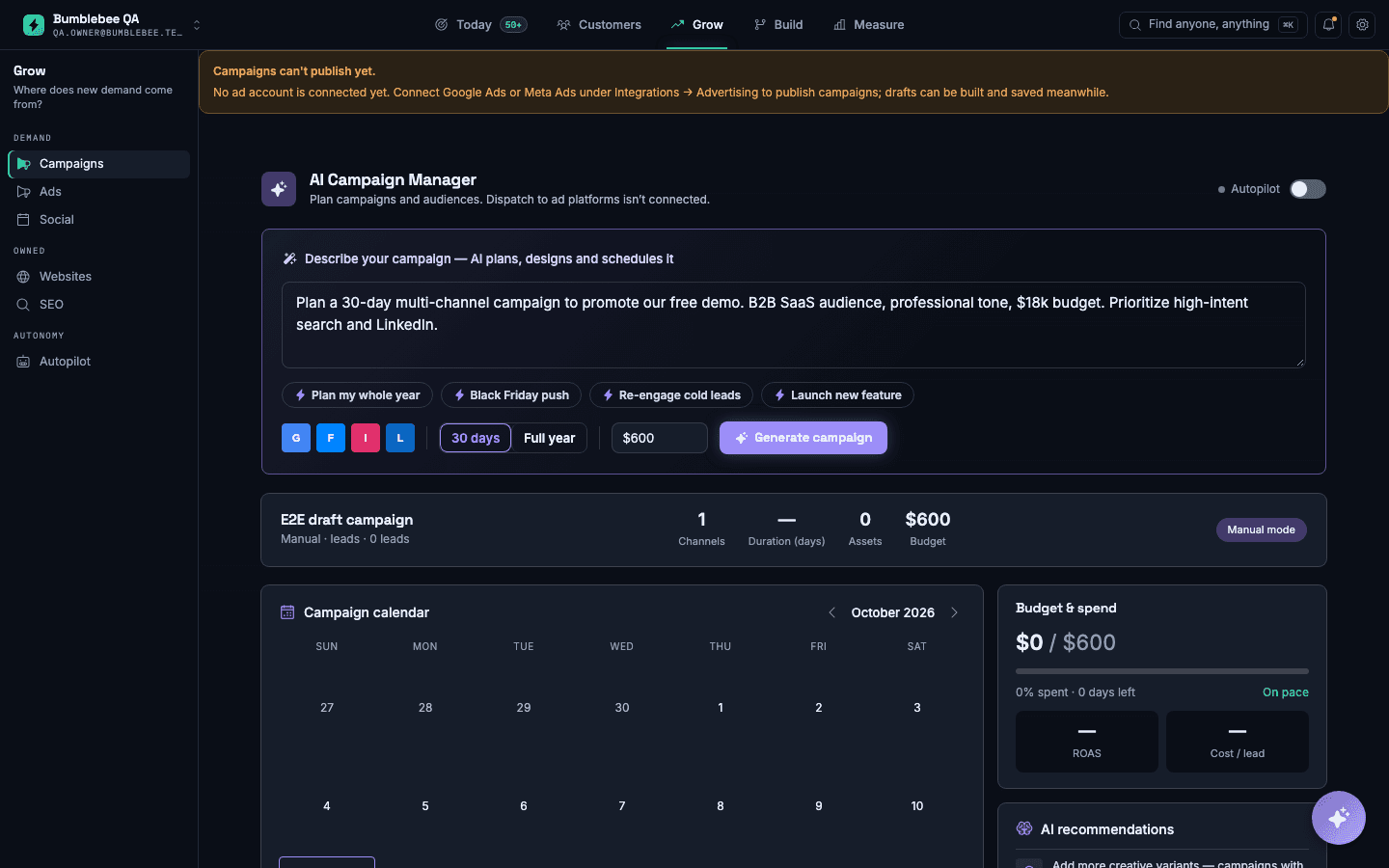
A typical local business: a website from one supplier, a booking tool, a chat widget, an email platform, a review tool, a spreadsheet of customers, and the phone. Seven places. None of them know about each other.
The monthly cost is annoying. It is not the real cost.
The real cost is the questions you cannot answer
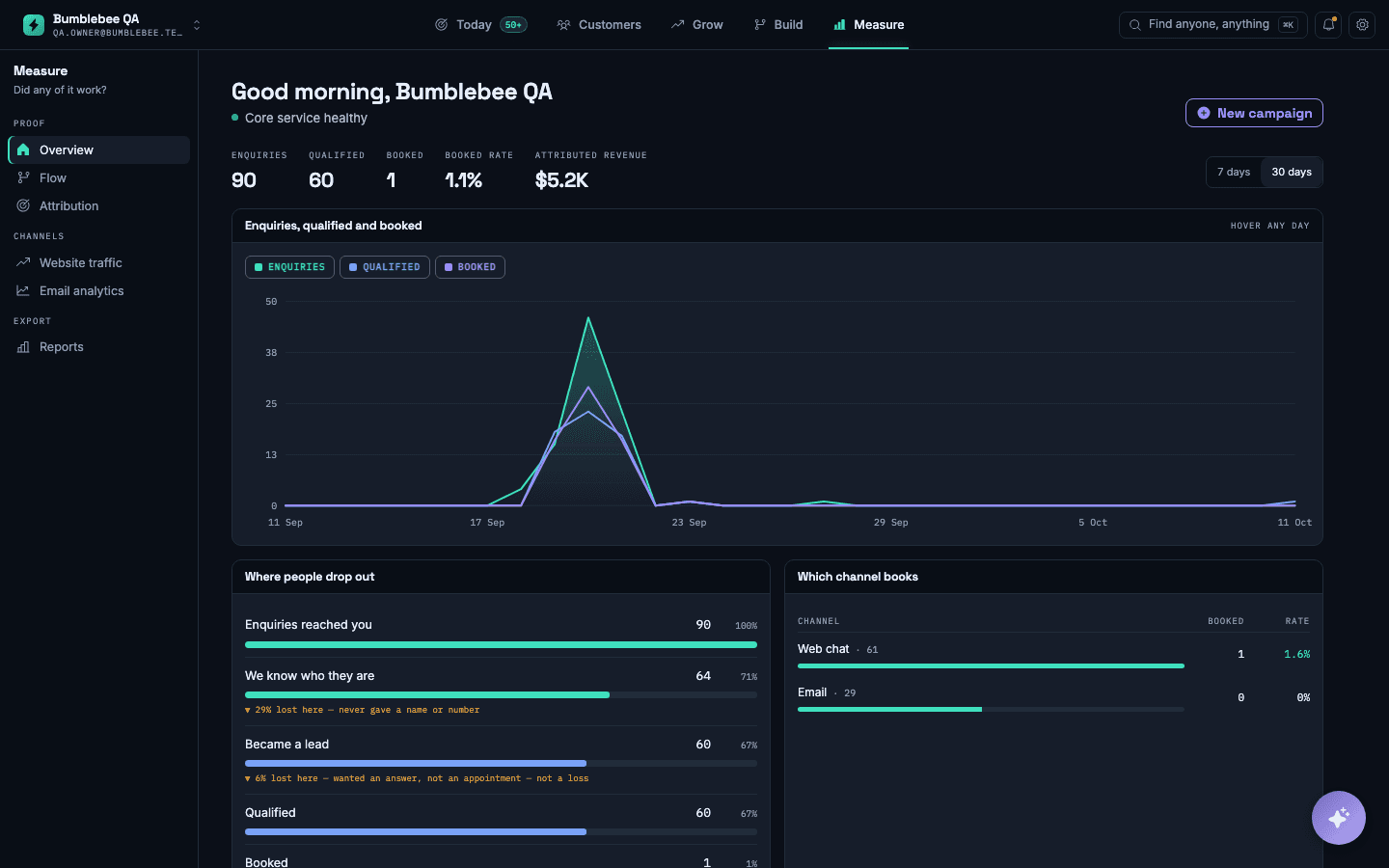
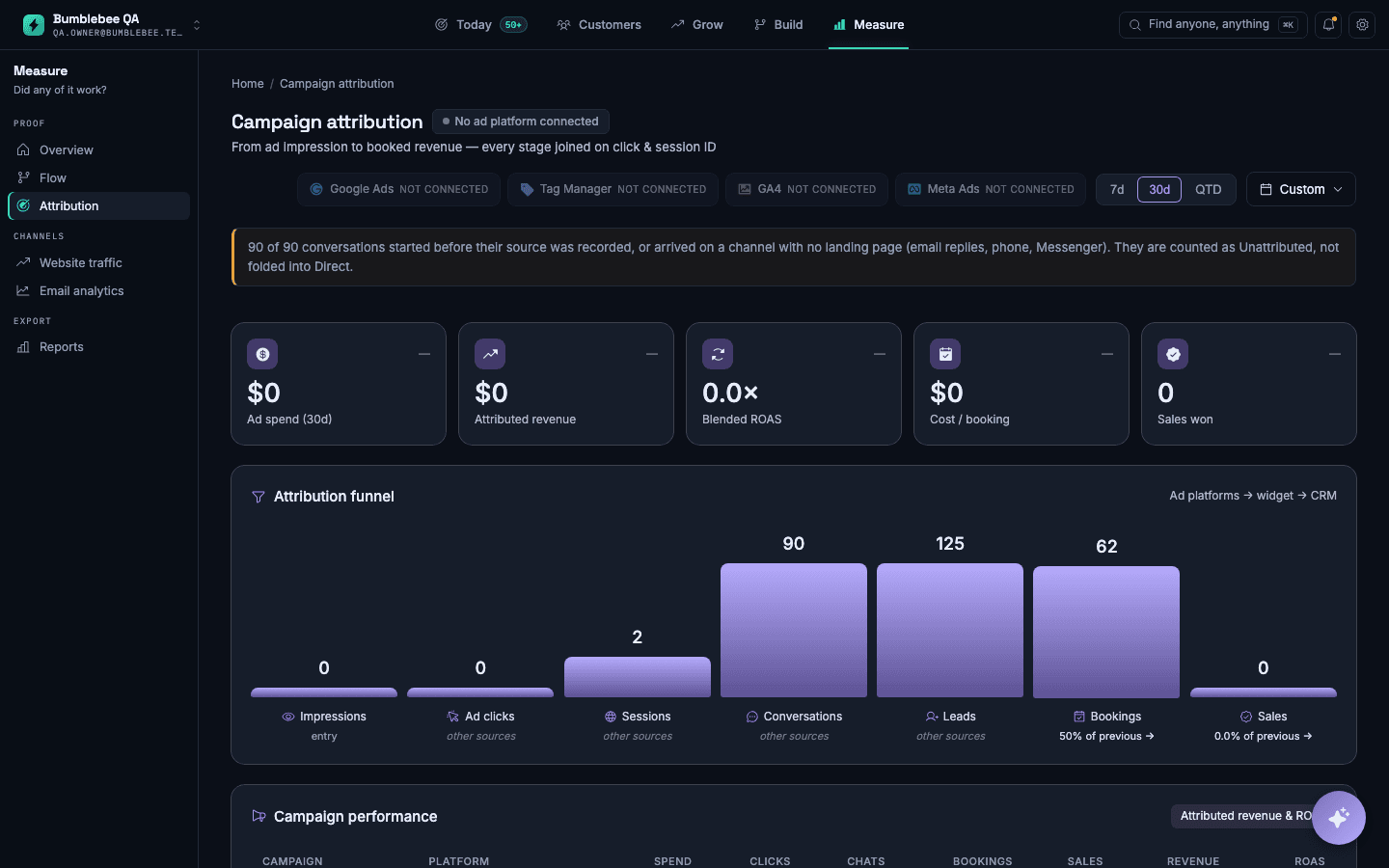
Which marketing produced which customer? The advert lives in one tool, the enquiry in another, the appointment in a third. Joining them means exporting three spreadsheets, so nobody does, so the budget is allocated on instinct.
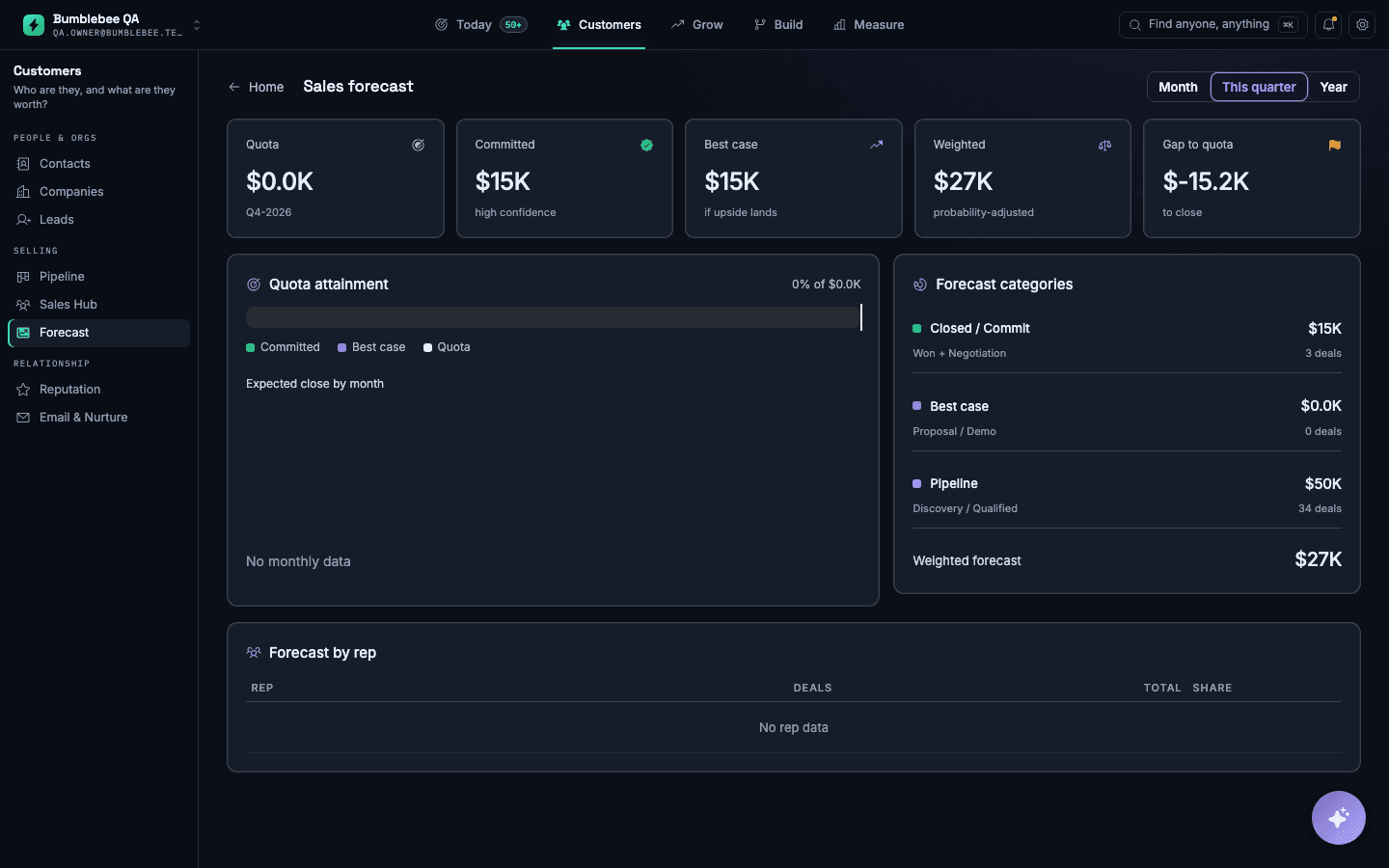
What has this customer already told us? They texted in March and emailed in June. Two different people answered, neither aware of the other.
What is unanswered right now? Nothing shows you everything at once, so the only honest answer is "we think nothing, but we check four places".
Each of these is a decision made worse, every week, permanently.
The copying tax
Information moved by hand between systems is both slow and lossy. Somebody retypes a phone number into the diary. Somebody copies a name into the review tool. Each copy takes seconds and introduces errors that surface weeks later as a missed appointment.
Nobody logs this time, so it never appears in the comparison when a new tool is evaluated.
"But they integrate"
Most do, on the marketing page. The question is what the integration actually moves.
Many are one-directional: your booking tool can tell your email tool that somebody booked, but your email tool cannot tell your booking tool which campaign brought them. Information flows one way, so the report you wanted still cannot be built.
Others sync on a timer. Fine for a mailing list, not for availability — a calendar synced every fifteen minutes is a calendar that will eventually double-book somebody.
Before trusting an integration, ask two questions. Does the customer record end up in one place, or two places that resemble each other? And if I change something in one system, how long until the other knows?
When separate tools are right
This is not an argument that one system always wins. Separate tools are right when a tool is genuinely better at something that matters a lot to you, and when the integration between it and everything else is real rather than aspirational.
A business with an unusual booking requirement, or an industry-specific system it cannot leave, is right to keep it and build around it. The mistake is not having several tools — it is having several tools nobody chose, accumulated one trial at a time.
The question is not "one or many". It is: can the enquiry, the conversation and the appointment end up as one record without a human copying anything?
If yes, use what you like. If no, you will keep paying the tax whatever the subscriptions cost.