The enquiries you never see are the ones costing you most
The problem with a lost enquiry is that it is invisible
When a customer walks out of your shop, you see them go. When they ring at seven in the evening and nobody answers, nothing happens at all. No voicemail, no record, no row in a spreadsheet. They simply ring the next business on the list, and your month is quietly a little worse than it should have been.
This is why "we're doing fine on enquiries" is such a common and such a dangerous belief. You are measuring the enquiries you received. The number you cannot see is the one that matters.
Roughly a third of enquiries arrive outside working hours
Across the sites we see, somewhere between a quarter and a third of all enquiries land outside normal opening hours — evenings, weekends, and the long quiet stretch between five and seven when people finally get a moment to sort out the thing they have been putting off.
Those enquiries convert at roughly the same rate as any other if somebody answers. They convert at close to zero if nobody does. The intent is identical; only the availability differs.
Speed matters more than almost anything else
The research on this is unusually consistent across industries: the chance of converting an enquiry falls sharply within the first few minutes and keeps falling. By the next morning you are competing not with your reputation but with whoever answered first.
For a local business this is brutal, because the first business to answer is rarely the best one. It is just the one that happened to be free.
Three things that actually work
Answer the first question immediately, even if you cannot answer all of them. The goal is not to resolve the enquiry at 9pm. It is to stop the person going to the next search result. "Yes, we do that, and the next available appointment is Thursday at two — shall I hold it?" is enough.
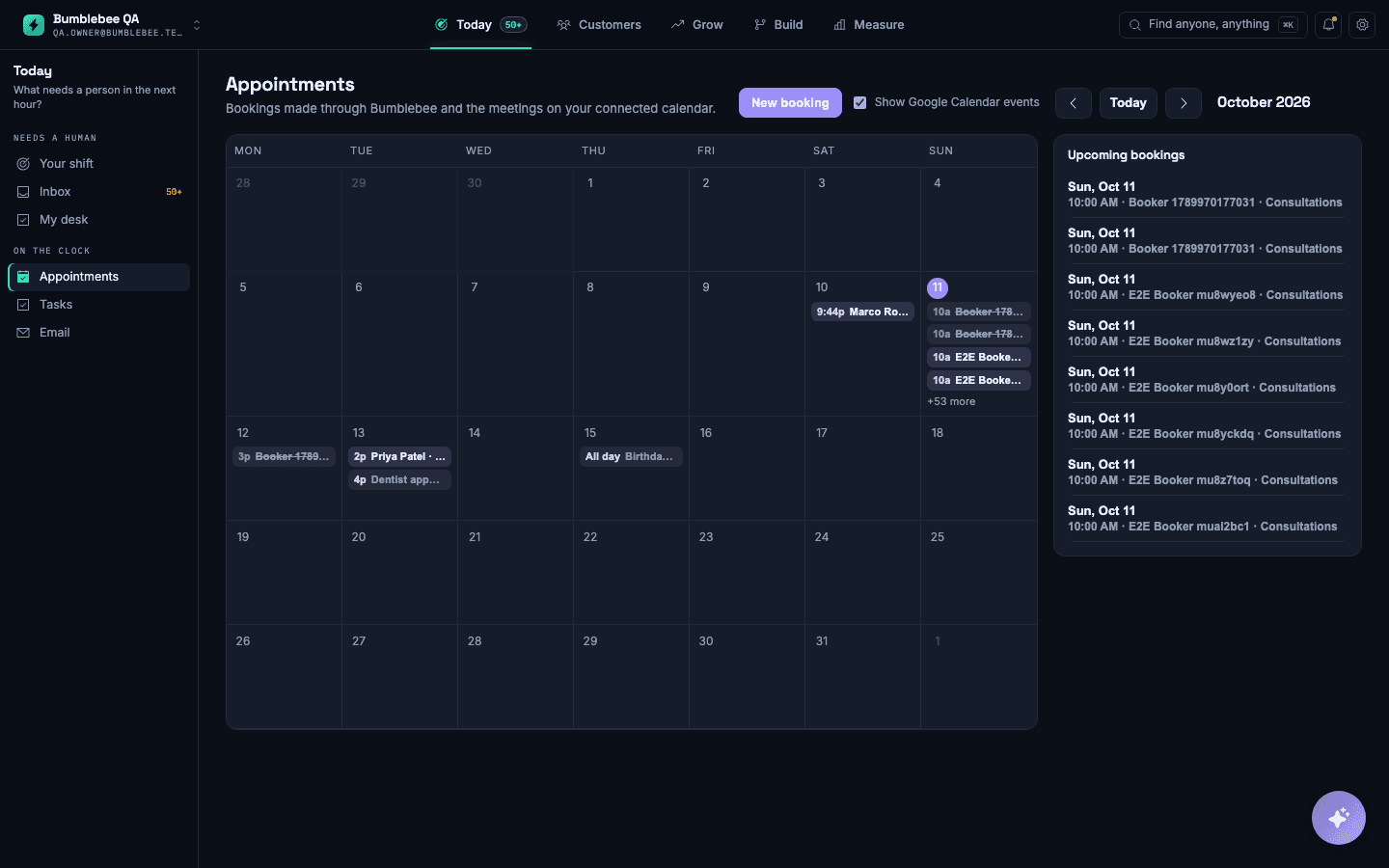
Book while they are still interested. The single biggest leak is the gap between somebody deciding they want an appointment and actually having one. Every hour in that gap costs you. If they have to wait for a callback to be offered a time, you have introduced a delay at precisely the wrong moment.
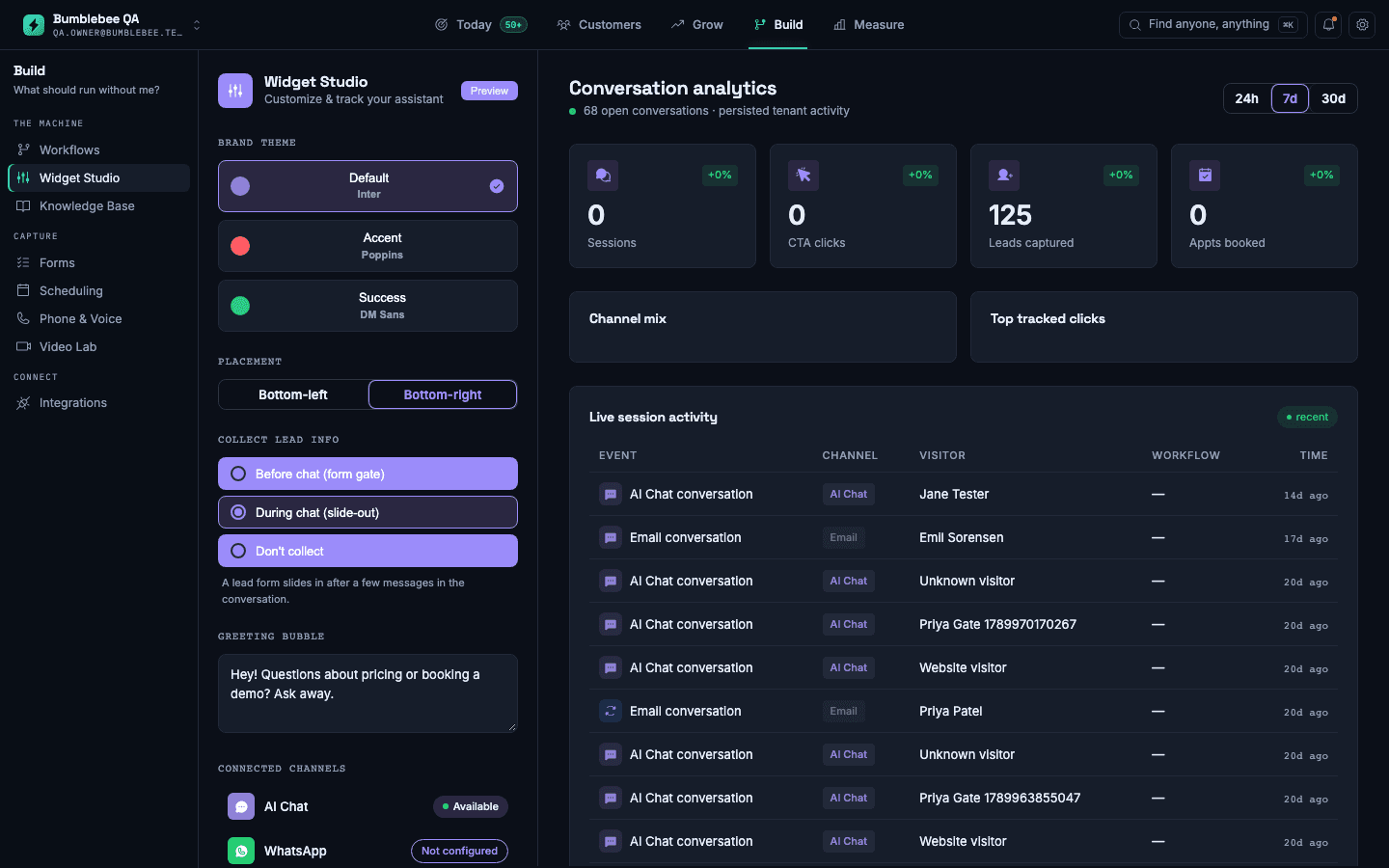
Treat the channel as the customer's choice, not yours. Some people ring. Some will never ring and will only ever use chat or text. A business that only answers the phone is invisible to half its market, and does not know it.
Measure the thing you cannot see
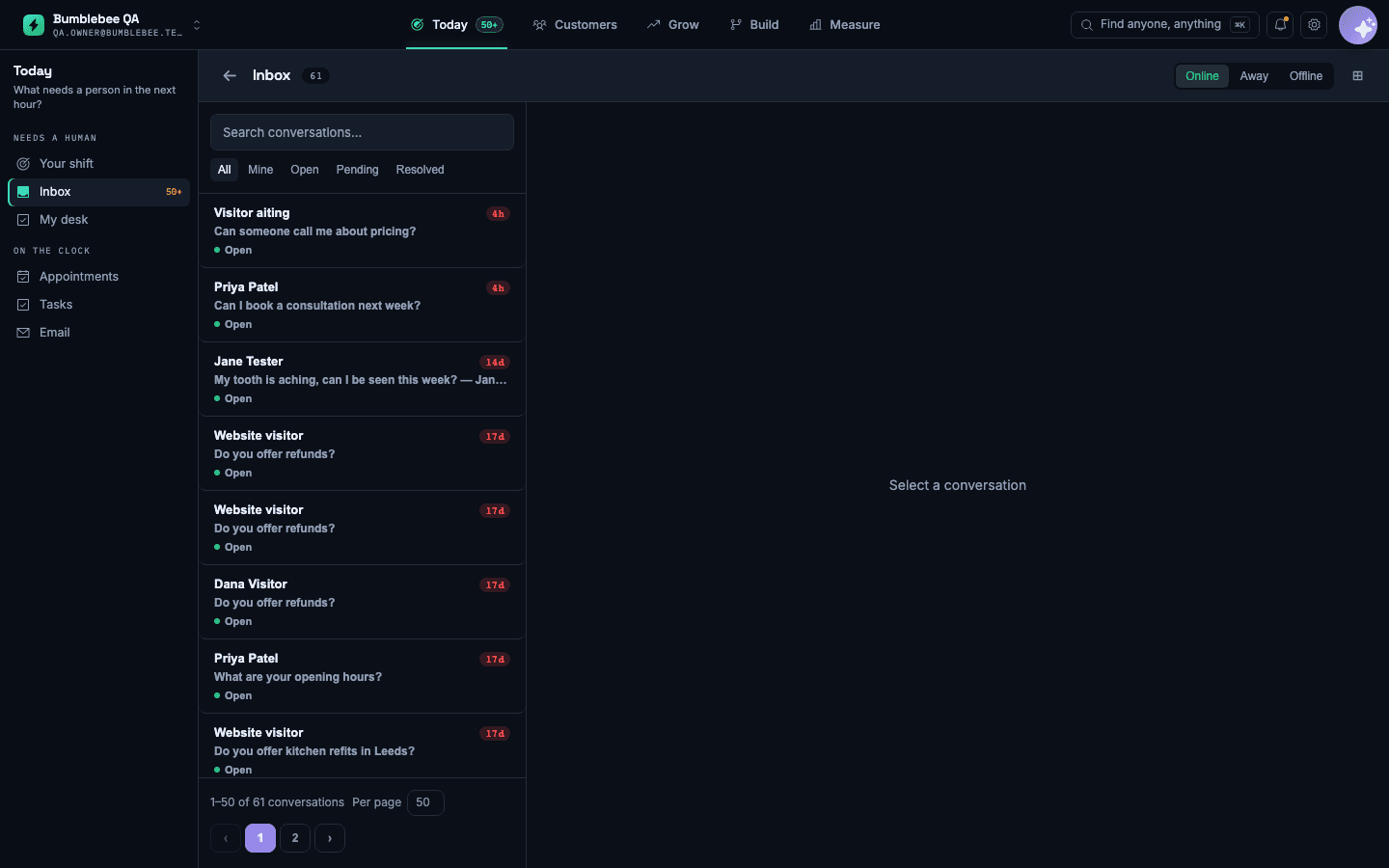
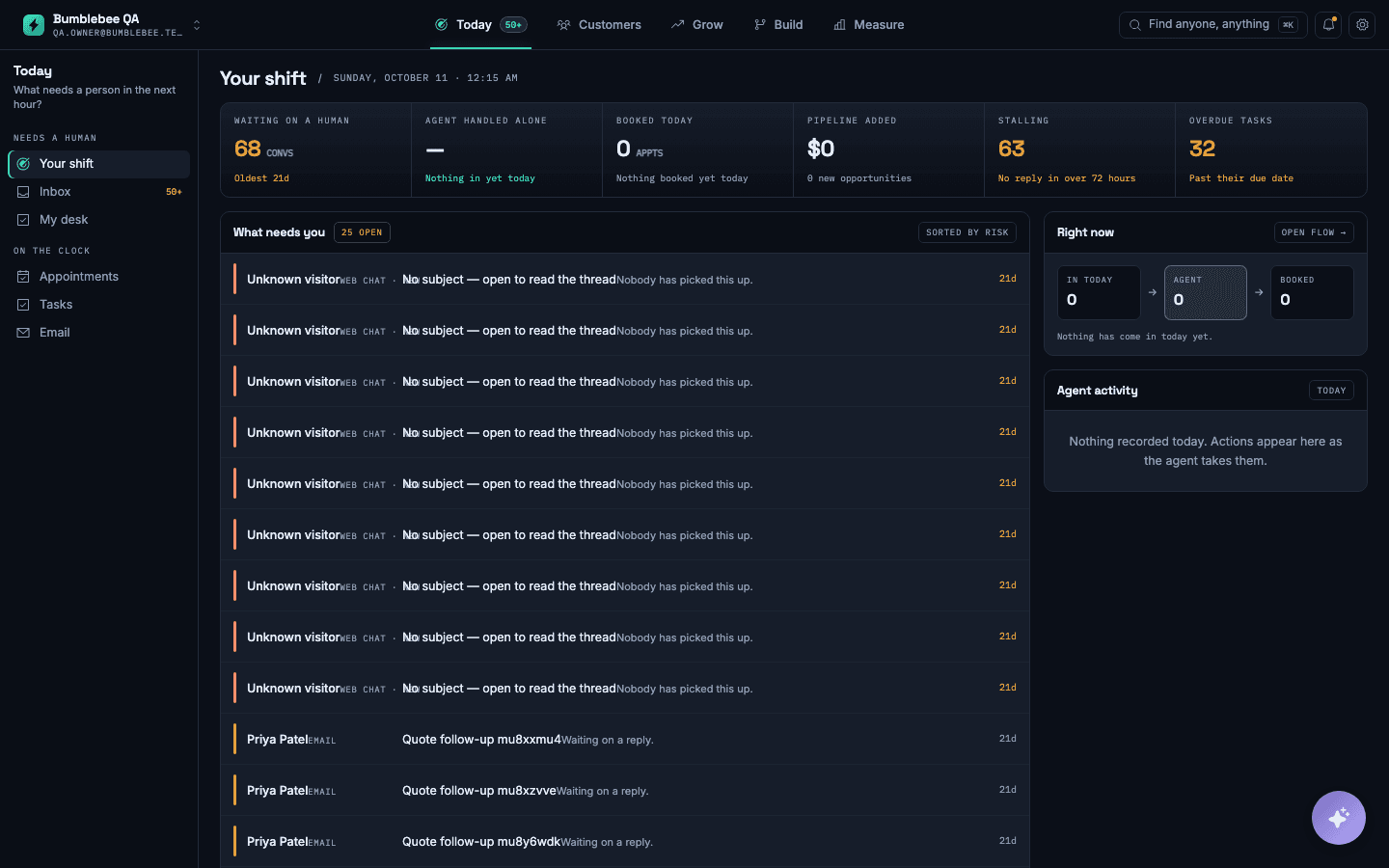
Start recording enquiries by hour of day and by channel, and specifically record the ones that received no reply. That one number — unanswered enquiries per week — is usually the most actionable figure in a small business, and almost nobody tracks it.
Once it is on a screen it tends to fix itself, because it is impossible to look at and do nothing.