Where to spend your first £500 of marketing
Spend in order of certainty
The temptation is to buy advertising, because it feels like doing marketing. It is usually third or fourth in the order that actually pays.
First: answer everything (£0)
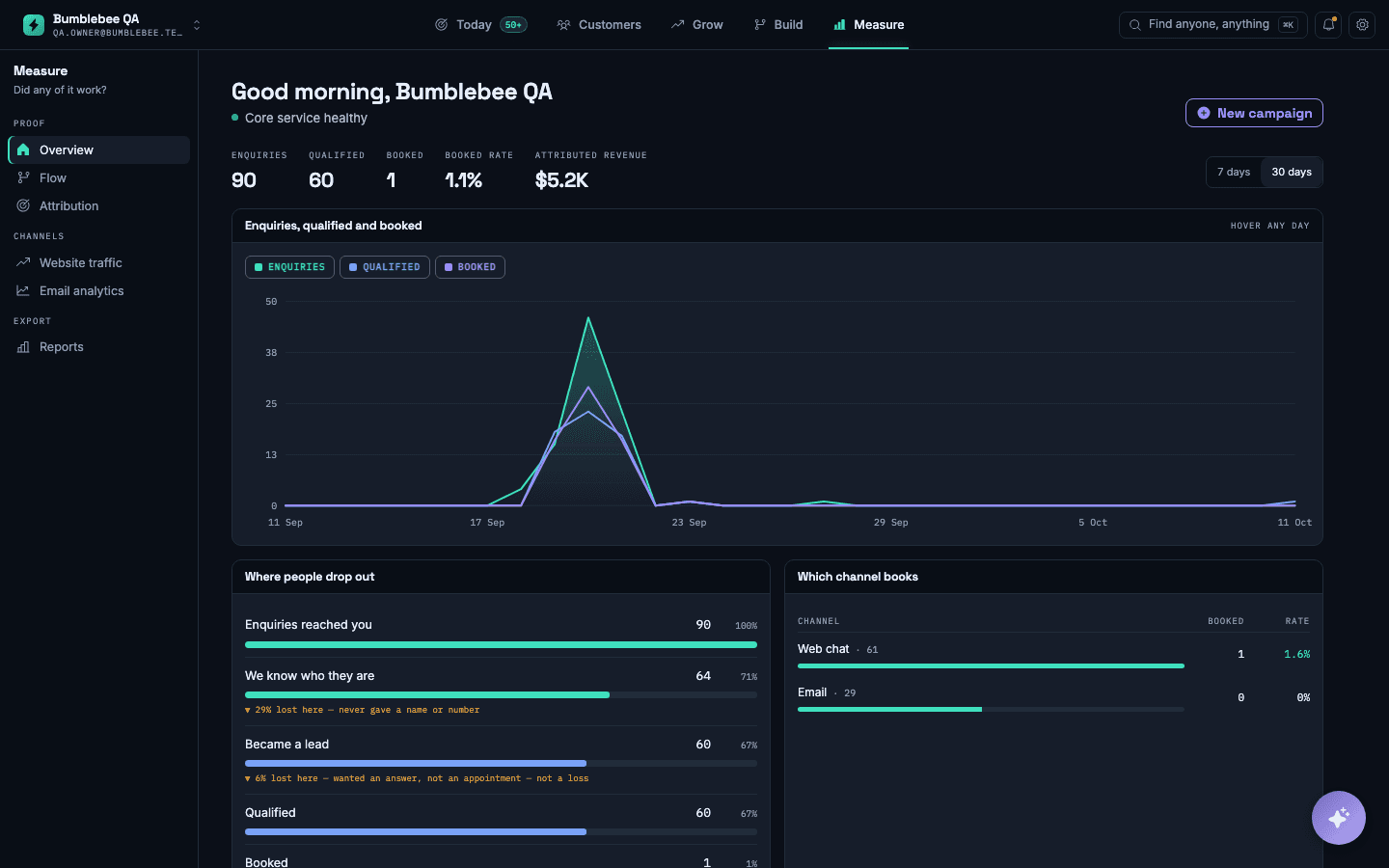
Before spending anything, make sure every enquiry gets a reply. If a quarter of your enquiries currently go unanswered, you can increase bookings by a third without buying a single click.
This is unglamorous and it is almost always the biggest single return available to a local business.
Second: fix the profile and ask for reviews (£0)
Your Google Business Profile completed properly and a steady trickle of recent reviews. Costs nothing but attention, and it changes the first thing most local customers ever see.
Third: write the questions you get asked (£0, costs time)
Five pages answering the five questions you answer on the phone every week. Low competition, high intent, and they keep working for years.
Fourth: now consider paid (£300-500)
Only now, because the first three improve the return on everything after them. Spending on ads while a quarter of enquiries go unanswered is paying to generate enquiries you will then drop.
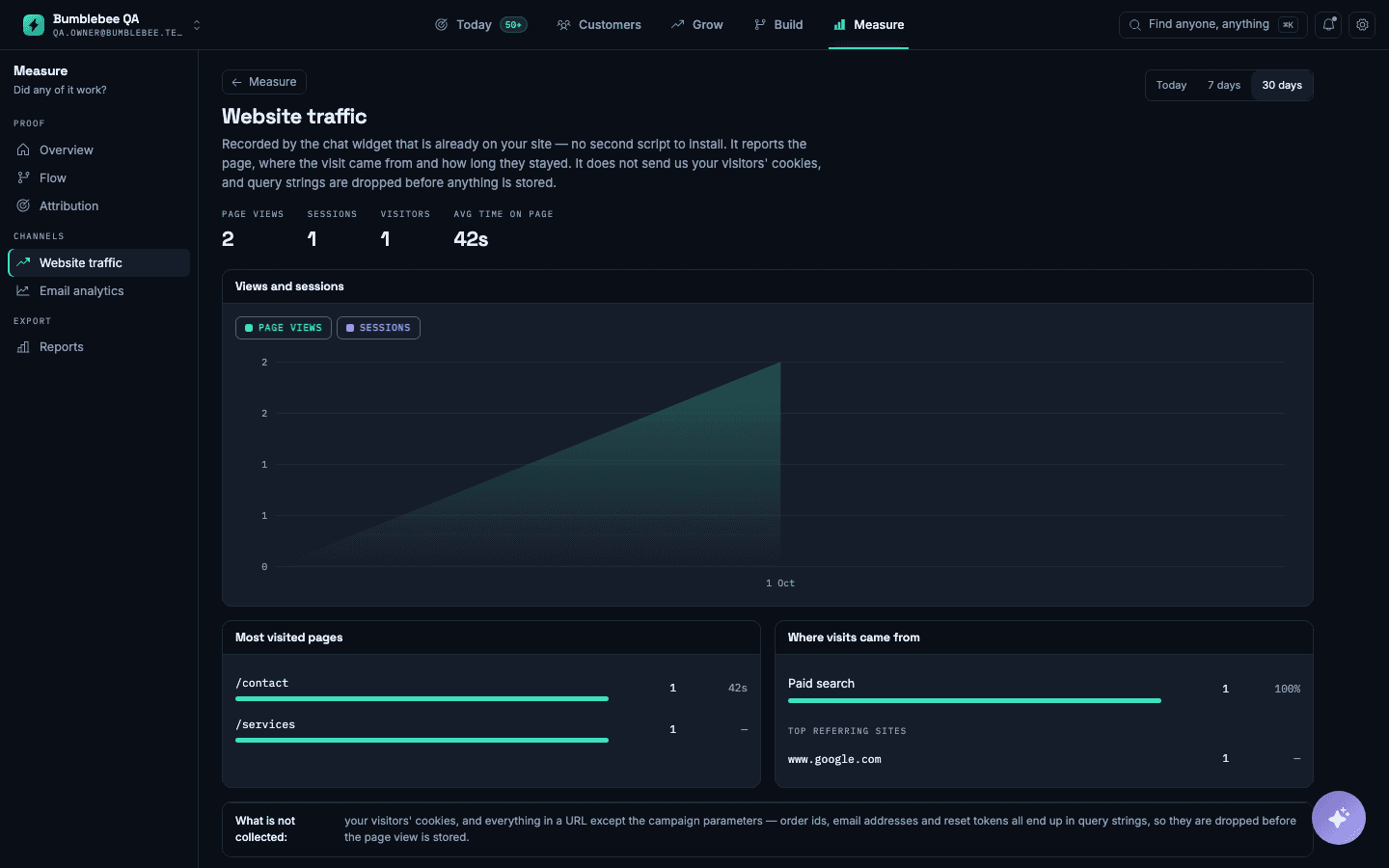
Start with search rather than social — you are reaching people who are already looking. Set a small daily budget, one tight set of phrases, and run it for a month.
What to expect
- Paid search: fastest signal, stops the moment you stop paying.
- SEO and content: slowest to start, cheapest per booking once running,
- compounds.
- Reviews and profile: steady, affects every other channel's conversion.
- Social: best for an existing audience, slowest for cold demand locally.
What £500 does not buy
It does not buy a rebrand, a new website that nobody can find, or a social media manager. It does not buy national reach, and for a local business it should not try to.
It also does not buy patience. The most expensive mistake at this budget is spending it in four places at once, so that none of them produces enough bookings to tell you anything, and you end the quarter with no money and no information.
A realistic first quarter
Month one: fix answering and the profile. Spend nothing. Start asking for reviews after every job.
Month two: write three pages answering the questions you actually get asked. Watch whether they start appearing in Search Console.
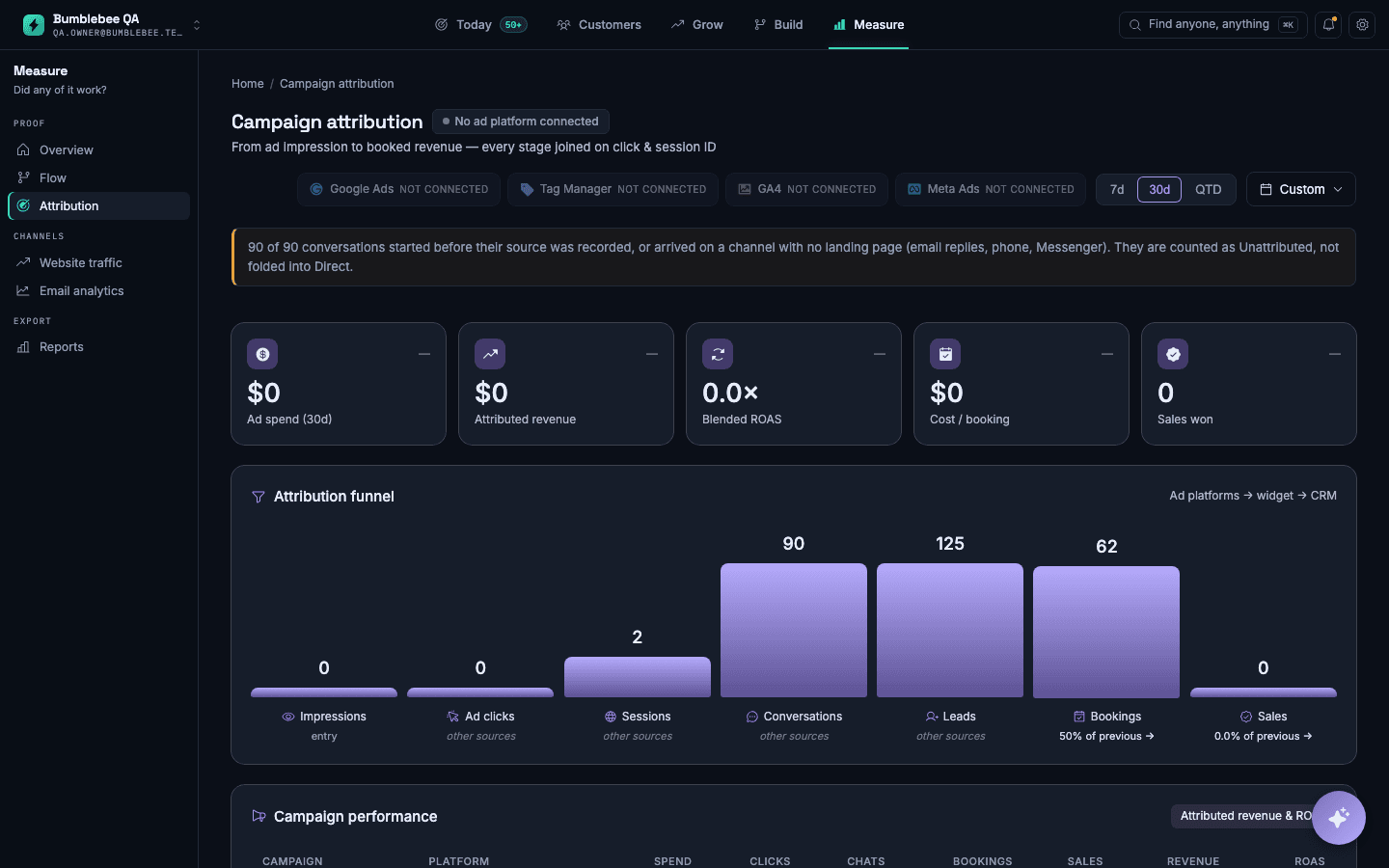
Month three: now spend. One channel, one tight set of phrases, a budget you would not miss. Measure bookings, not clicks.
By the end of it you will know your cost per booking for one paid channel and have a baseline for everything unpaid. That is a far better position than having tried five things.
The honest warning
Whatever you choose, give it long enough to produce enough bookings to mean something. Switching channel every three weeks produces a year of noise and nothing learned — the most common and most expensive mistake in small business marketing.